
A Manual Osteopathic Practitioner is trained in the four main types of hands-on osteopathic sub-disciplines:
Osteo-articular adjustments, Fascial release, Cranial-sacral techniques and Visceral Manipulation.
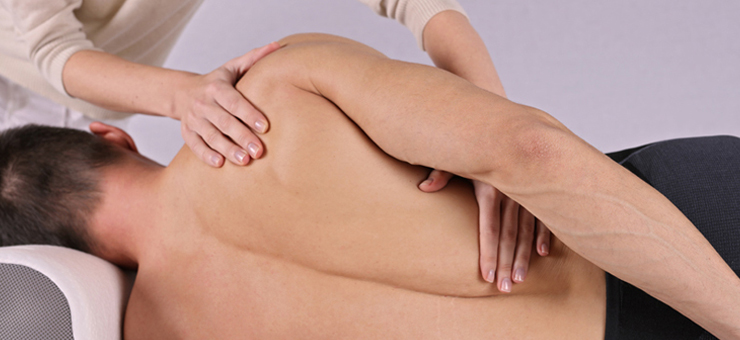
Osteo-articular adjustments and fascial release may sound familiar as they are utilized in professions such as physiotherapy and chiropractic commonly known as Manual Therapy.
The cranial-sacral system consists of the bones of the head and spinal cord as well as the membranes and fluid that surround and support the brain and spinal cord and attach directly to the bones. Dysfunction of any part of this system could have local effects such as headaches, or pain along the spine from the neck to the low back or nervous system symptoms like nerve impingement or end organ dysfunction such as digestive, respiratory complaints.
Visceral Manipulation is a form of gentle manual therapy to assess and treat the viscera (organs), their position, suspension system and fascia/ligaments from which they directly attach to the musculoskeletal system. Imbalances in the viscera and its connective tissue can be directly related to posture and postural imbalances and can impact many systems such as the muskuloskeletal, nervous, vascular, respiratory and digestive systems.
Benefits of Manual Osteopathy?
If you have received traditional physiotherapy, chiropractic or massage therapy and feel that you have reached a plateau or the pain seems to still come and go without resolution, it is possible that the visceral or cranial-sacral system may be a component in your pain/injury and also need to be treated. That being said, Manual Osteopathy is an effective treatment on its own as well as in conjunction with physiotherapy, chiropractic and massage therapy.